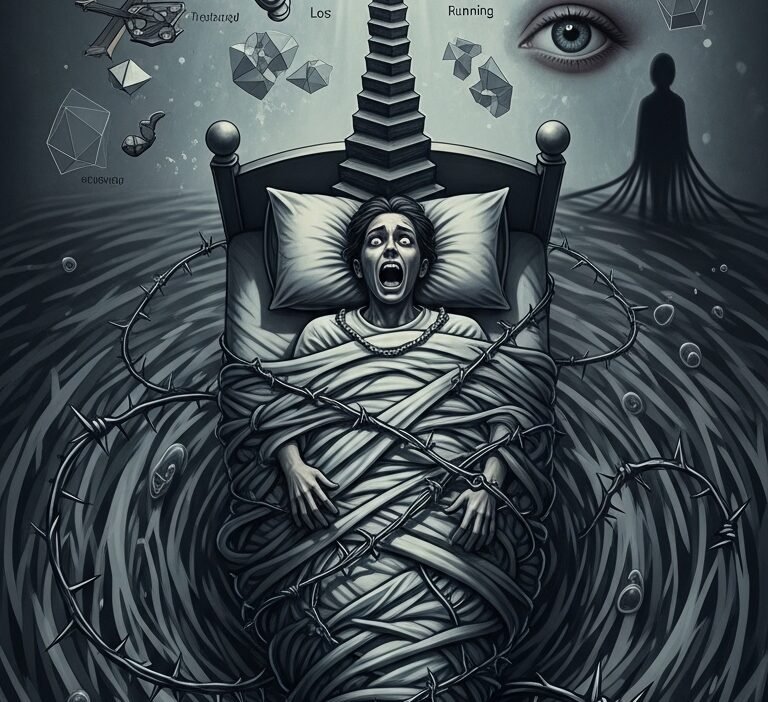
A Restless Beginning
Have you ever woken up feeling uneasy, your heart pounding, even though nothing “real” happened? Anxiety dreams don’t always look dramatic—but they leave a lingering sense of worry, fear, or tension that stays with you long after you wake up.
These dreams are not random. They are your mind’s way of processing stress, fear, and emotional overload.
Overview: Dreams as Emotional Signals
Anxiety dreams are closely tied to your waking life. They reflect:
- Inner stress and pressure
- Unresolved worries
- Fear of the unknown or lack of control
Instead of being literal, these dreams are symbolic. They show how you feel, not necessarily what will happen.
Spiritual Meaning of Anxiety Dreams
1. Inner Imbalance
Spiritually, anxiety dreams often signal that your mind, body, and soul are out of alignment.
You may be:
- Overthinking
- Ignoring your intuition
- Carrying emotional weight
2. Fear-Based Energy
Anxiety dreams can reflect low or fearful energy that needs to be released.
This might include:
- Doubt
- Insecurity
- Fear of failure
Your subconscious is urging you to let go and trust the process.
3. A Call for Awareness
These dreams can be a gentle warning:
- Slow down
- Reflect on your life
- Reconnect with your inner self
They’re not meant to scare you—they’re meant to wake you up emotionally and spiritually.
Psychological Interpretation
From a psychological perspective, anxiety dreams are a result of mental overload.
They often happen when:
- You’re overwhelmed
- You’re avoiding a problem
- You feel unprepared or pressured
Your brain uses dreams to process unresolved thoughts and emotions.
Common Anxiety Dream Scenarios
1. Being Chased
- Avoiding a problem or responsibility
- Running from fear or pressure
2. Falling
- Feeling out of control
- Fear of failure or instability
3. Being Late
- Fear of missing opportunities
- Pressure to meet expectations
4. Losing Something Important
- Fear of loss (relationships, status, identity)
- Emotional insecurity
5. Being Unprepared (e.g., exams)
- Self-doubt
- Feeling judged or tested in real life
What Causes Anxiety Dreams?
These dreams are often triggered by:
- Daily stress
- Work or academic pressure
- Relationship issues
- Big life changes
- Overthinking
- Lack of sleep
Even small worries can build up and appear in dreams.
Scientific Explanation
During REM sleep, your brain becomes highly active.
It:
- Processes emotions
- Sorts memories
- Simulates stressful situations
This is why anxiety dreams feel so real—they are part of your brain’s emotional regulation system.
Personal Growth Message
Anxiety dreams are not just discomfort—they are opportunities for growth.
They remind you to:
- Face your fears
- Address what you’re avoiding
- Take care of your mental health
How to Reduce Anxiety Dreams
1. Manage Stress
Practice relaxation techniques like:
- Deep breathing
- Meditation
- Light exercise
2. Journaling
Write down your worries before sleep to clear your mind.
3. Improve Sleep Habits
- Avoid screens before bed
- Maintain a regular sleep schedule
4. Face Your Concerns
Deal with issues directly instead of suppressing them.
5. Practice Mindfulness
Stay present and reduce overthinking.
FAQ Section
1. Are anxiety dreams normal?
Yes, they are very common and a natural response to stress.
2. Do anxiety dreams mean something bad will happen?
No, they reflect your emotions—not future events.
3. Why do I keep having the same anxiety dream?
It usually means an issue in your life remains unresolved.
4. Can anxiety dreams affect sleep quality?
Yes, they can make sleep feel less restful.
5. How can I stop anxiety dreams?
By reducing stress and addressing emotional concerns.
6. Are anxiety dreams linked to mental health?
They can be connected to stress, anxiety, or emotional pressure.
7. When should I be concerned?
If they are frequent and disturbing your daily life, consider seeking support.
Conclusion
Anxiety dreams may feel uncomfortable, but they serve an important purpose. They are your mind’s way of saying: “Pay attention to what’s going on inside.”
Instead of fearing them, try to understand them. Within that discomfort lies a powerful opportunity for healing, awareness, and emotional balance.