Dreams have fascinated humanity for thousands of years. Across different cultures, people have looked to dreams for guidance, warnings, spiritual insight, healing, and self-understanding. While modern science explains dreams as part of the brain’s processing during sleep, many cultures continue to view them as meaningful experiences that connect people with the spiritual world, ancestors, or their inner selves.
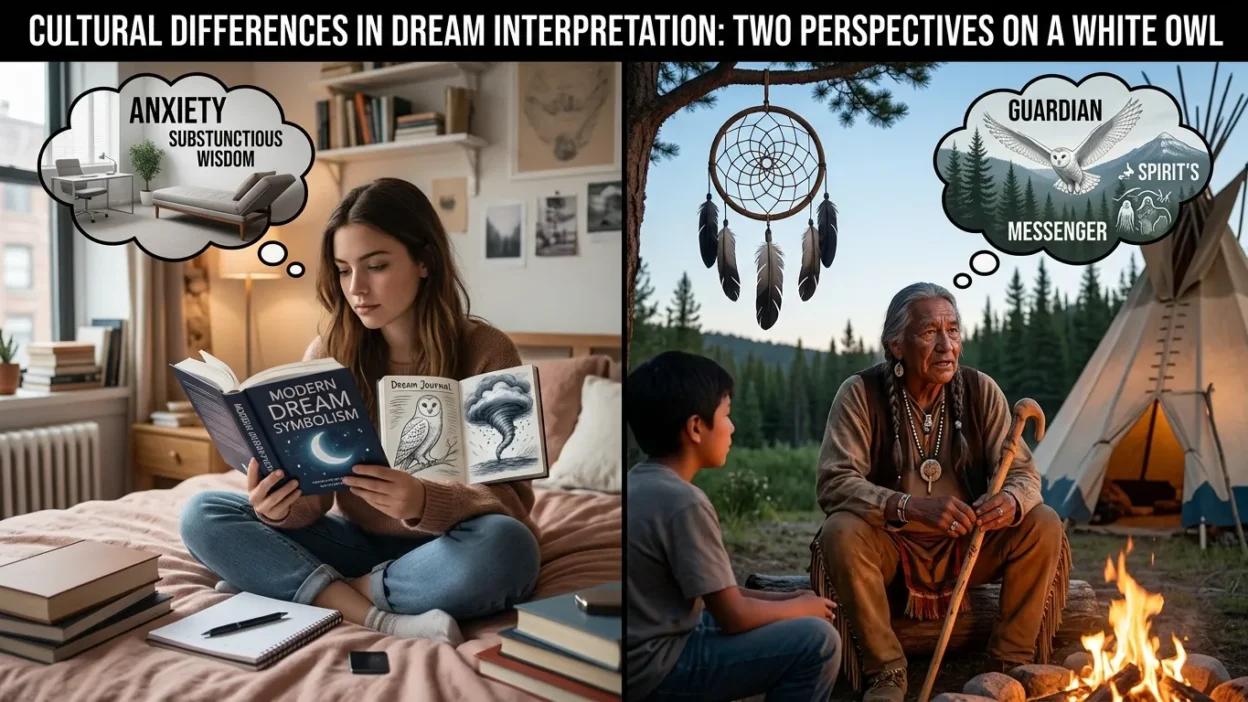
The interpretation of dreams varies greatly from one culture to another. A dream that symbolizes good fortune in one culture may represent caution in another. For example, dreaming about snakes, water, death, or animals can carry completely different meanings depending on cultural traditions, religious beliefs, and historical backgrounds.
Today, dream interpretation draws from many perspectives, including spiritual traditions, religious teachings, psychology, neuroscience, and cultural symbolism. Understanding these different viewpoints can help you interpret dreams with greater wisdom while avoiding the assumption that every symbol has only one universal meaning.
In this guide, you’ll explore cultural differences in dream interpretation, including how dreams are viewed in ancient civilizations, Christianity, Islam, Hinduism, Buddhism, Indigenous cultures, Chinese traditions, African beliefs, and modern psychology.
Why Culture Influences Dream Interpretation
Dreams are shaped by more than just our subconscious mind. Our culture influences:
- Religious beliefs
- Family traditions
- Childhood experiences
- Community values
- Symbols and myths
- Personal expectations
Because of these influences, two people may experience the same dream but interpret it very differently.
For example:
- A snake may symbolize wisdom in one culture.
- It may symbolize temptation in another.
- It may represent healing somewhere else.
- Psychology may interpret it as hidden fears or transformation.
There is rarely a single correct interpretation.
Dream Interpretation in Ancient Egypt
The ancient Egyptians believed dreams were messages from the gods.
Dreams were often used for:
- Receiving guidance
- Predicting important events
- Healing illnesses
- Making political decisions
- Spiritual communication
Priests sometimes interpreted dreams for kings and rulers, and dream books listed common symbols with their meanings.
Dream Interpretation in Ancient Greece
The Greeks viewed dreams as messages from divine beings and believed they could reveal the future or provide healing.
Temples dedicated to Asclepius, the god of healing, encouraged people to sleep there in hopes of receiving healing dreams.
Greek philosophers later proposed that some dreams came from the human mind rather than the gods, laying the groundwork for more psychological approaches.
Biblical and Christian Views of Dreams
In Christianity, dreams are sometimes presented as one way God communicated with people.
Examples include:
- Joseph interpreting Pharaoh’s dreams.
- Daniel interpreting the king’s visions.
- Joseph, the earthly father of Jesus, receiving guidance through dreams.
- The wise men being warned in a dream not to return to King Herod.
However, the Bible also encourages believers to exercise wisdom and discernment. Not every dream should be assumed to be a direct message from God.
Many Christians believe dreams may:
- Encourage spiritual reflection.
- Reveal personal concerns.
- Offer comfort during difficult times.
- Remind believers to seek God’s wisdom.
Islamic Dream Interpretation
Dream interpretation has an important place in Islamic tradition.
Classical Islamic scholars often described dreams as belonging to different categories, such as:
- True dreams that may contain meaningful guidance.
- Dreams influenced by daily thoughts and experiences.
- Disturbing dreams that should not be given unnecessary attention.
Islam encourages humility and caution when interpreting dreams, recognizing that not every dream carries spiritual significance.
Hindu Views on Dreams
In Hindu philosophy, dreams are often connected with:
- Karma
- Spiritual growth
- Consciousness
- Inner desires
- Life lessons
Some Hindu traditions believe dreams reflect the soul’s journey and may offer insight into unresolved emotions or spiritual development.
Buddhist Understanding of Dreams
Buddhism generally views dreams as reflections of the mind rather than supernatural predictions.
Dreams may reveal:
- Attachments
- Fears
- Desires
- Emotional habits
- Mental patterns
Rather than focusing on predicting the future, Buddhism encourages mindfulness and understanding the causes of suffering.
Chinese Dream Interpretation
Traditional Chinese dream interpretation has a long history.
Dreams are sometimes associated with:
- Balance between yin and yang
- Harmony
- Family relationships
- Health
- Prosperity
- Good fortune
Some traditional Chinese dream dictionaries assign symbolic meanings to specific dream images, though interpretations vary.
Indigenous and Native Traditions
Many Indigenous cultures view dreams as deeply spiritual experiences.
Dreams may be understood as:
- Messages from ancestors
- Guidance from spirits
- Personal visions
- Healing experiences
- Preparation for important decisions
Some communities use dream sharing as part of spiritual practice and community life.
It is important to remember that Indigenous traditions are diverse, and beliefs differ widely between communities.
African Cultural Perspectives
Across Africa, dream beliefs vary greatly among cultures and regions.
Many traditions view dreams as:
- Spiritual communication
- Messages from ancestors
- Warnings
- Community guidance
- Signs requiring careful reflection
Interpretations depend heavily on local customs, history, and religious beliefs.
Modern Psychological Interpretation
Modern psychology generally explains dreams as products of the subconscious mind.
Sigmund Freud’s Perspective
Freud believed dreams expressed hidden desires, conflicts, and unconscious wishes.
According to his theory:
- Symbols often represent emotional needs.
- Dreams help process internal conflicts.
- The subconscious communicates through imagery.
Although influential, many of Freud’s ideas remain debated today.
Carl Jung’s Perspective
Carl Jung believed dreams help people understand themselves and grow psychologically.
He introduced concepts such as:
- Archetypes
- The shadow self
- Personal transformation
- Collective unconscious
Jung viewed dreams as valuable tools for personal development rather than simply hidden wishes.
Scientific View of Dreams
Modern neuroscience explains dreams as a natural part of Rapid Eye Movement (REM) sleep.
Researchers suggest dreams help:
- Process memories
- Regulate emotions
- Solve problems
- Practice responses to challenges
- Strengthen learning
While science explains how dreams occur, it does not fully explain why certain symbols appear or why dreams sometimes feel deeply meaningful.
Common Dream Symbols Across Cultures
Although interpretations differ, some symbols appear in many traditions.
Water
May symbolize:
- Emotions
- Life
- Purification
- Change
Snakes
Can represent:
- Wisdom
- Healing
- Temptation
- Transformation
- Fear
Meaning depends on cultural context.
Flying
Often symbolizes:
- Freedom
- Spiritual growth
- Success
- Personal ambition
Death
Usually symbolizes:
- Transformation
- Endings
- New beginnings
Rather than literal death.
Animals
Animals often represent:
- Instincts
- Personal qualities
- Spiritual lessons
- Emotional states
Specific meanings vary across cultures.
Similarities Across Cultures
Despite their differences, many cultures agree that dreams can:
- Reflect emotions.
- Encourage self-reflection.
- Support personal growth.
- Reveal hidden concerns.
- Inspire creativity.
- Help people navigate life changes.
Important Things to Remember About Dream Interpretation
When interpreting dreams:
- Consider your personal experiences.
- Respect cultural differences.
- Avoid assuming every dream predicts the future.
- Look at the emotions you felt.
- Reflect on your current life circumstances.
- Interpret spiritual dreams with wisdom and discernment.
Dream symbols are rarely universal. Context matters more than any single dream dictionary.
Frequently Asked Questions
Why do different cultures interpret dreams differently?
Dream interpretation is influenced by religion, history, traditions, values, and cultural symbols, so the same dream may have different meanings in different societies.
Which culture has the oldest dream interpretation tradition?
Ancient Egypt and Mesopotamia have some of the oldest recorded dream interpretation traditions, dating back thousands of years.
Do all religions believe dreams are messages from God?
No. Some religious traditions believe certain dreams may contain spiritual guidance, while others emphasize that many dreams reflect ordinary thoughts, emotions, or daily experiences.
What does psychology say about dreams?
Psychology generally views dreams as expressions of the subconscious mind that help process emotions, memories, and personal experiences.
Can one dream have multiple meanings?
Yes. A dream’s meaning depends on the dreamer’s emotions, life circumstances, beliefs, and cultural background. The same symbol can have different interpretations for different people.
Should I use dream dictionaries?
Dream dictionaries can provide ideas, but they should not be treated as universal or absolute. Personal context and cultural background are equally important.
Are dreams the same in every culture?
No. While many dream themes are shared worldwide, interpretations vary significantly because cultural beliefs influence how people understand dream symbols.
Final Thoughts
Dreams are a universal human experience, but their meanings are shaped by culture, religion, psychology, and personal life experiences. Ancient Egyptians sought messages from the gods, Indigenous communities often view dreams as spiritual guidance, many religious traditions see some dreams as meaningful while encouraging discernment, and modern psychology emphasizes the role of the subconscious mind. Each perspective offers valuable insights without fully explaining every dream.
Understanding cultural differences in dream interpretation helps us appreciate the richness of human beliefs while reminding us that no single interpretation fits every dream or every dreamer. By considering your emotions, personal experiences, cultural background, and spiritual beliefs together, you can approach your dreams with curiosity, wisdom, and balance.