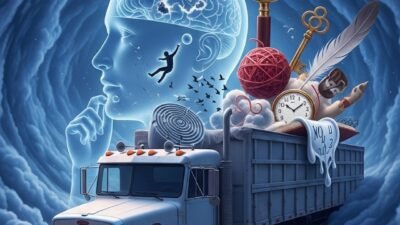
Have you ever wondered why the same dream can mean something completely different depending on where you are in the world? Dreams are deeply personal, yet they are also shaped by culture, beliefs, traditions, and spiritual systems.
A dream that feels like a warning in one culture might be seen as a blessing in another. This makes dream interpretation a fascinating blend of psychology, spirituality, and cultural identity. Understanding these differences can help you gain a richer, more balanced view of your dreams.
Why Culture Influences Dream Meaning
Dreams are not just created by the brain—they are interpreted through the lens of:
- Cultural beliefs and traditions
- Religious and spiritual systems
- Social values and norms
- Personal upbringing and environment
Because of this, the meaning of a dream is not universal. Instead, it reflects both your inner world and the cultural framework you live in.
Western Psychological Interpretation
In many Western cultures, dreams are viewed through a scientific and psychological lens.
Freudian Perspective
Dreams represent repressed desires, hidden urges, and unresolved conflicts, often linked to childhood experiences.
Jungian Perspective
Dreams reveal the unconscious mind and archetypes, including the “shadow self.” They are seen as tools for self-discovery and personal growth.
Modern View
Today, dreams are often understood as part of brain activity during REM sleep, helping process emotions and memories.
Eastern and Spiritual Interpretations
South Asian Perspectives
In countries like India and Pakistan, dreams are often connected to spiritual messages, intuition, or divine guidance. Some dreams are believed to be:
- Warnings about the future
- Signs from a higher power
- Reflections of karma or destiny
Chinese Dream Beliefs
In traditional Chinese culture, dreams are linked to balance and energy (Yin and Yang). Certain dreams are considered omens, either शुभ (positive) or cautionary.
Islamic Dream Interpretation
In Islamic tradition, dreams are categorized into:
- True dreams (from a divine source)
- Disturbing dreams (from negative influences)
- Ordinary dreams (from daily thoughts)
Dreams are often seen as meaningful but require careful interpretation.
Indigenous and Tribal Interpretations
Many Indigenous cultures view dreams as sacred experiences:
- Dreams may be seen as messages from ancestors or spirits
- They can guide decisions, healing, and life direction
- Dreaming is sometimes considered a bridge between physical and spiritual worlds
In these traditions, dreams are not just symbolic—they are real spiritual encounters.
Common Symbols, Different Meanings
The same dream symbol can have very different interpretations depending on culture:
- Snakes
- Western: fear, danger
- Eastern: transformation, healing, wisdom
- Water
- Western: emotions and subconscious
- Spiritual traditions: purification, life energy
- Death
- Western: fear or ending
- Many cultures: rebirth, renewal, or transformation
Spiritual vs Psychological Perspectives
Spiritual View
Dreams are:
- Messages from a higher power or universe
- Signs of spiritual awakening
- Insights into the soul’s journey
Psychological View
Dreams are:
- Reflections of thoughts and emotions
- Tools for processing experiences
- Simulations that help solve problems
Both perspectives can be valid and often complement each other.
Personal Growth Lessons
Understanding cultural differences teaches you:
- There is no single “correct” dream meaning
- Your interpretation should align with your beliefs and experiences
- Dreams can be used for self-awareness, healing, and growth
The most meaningful interpretation is the one that resonates with you.
Causes and Influences on Dream Interpretation
Your understanding of dreams is shaped by:
- Religion and spirituality
- Family beliefs and traditions
- Media and societal influences
- Education and psychological knowledge
Scientific Explanation
From a neuroscience perspective, dreams occur during REM sleep, when the brain processes:
- Emotions
- Memories
- Problem-solving scenarios
The brain creates symbolic imagery, but the meaning we assign comes from culture and personal experience.
Reflection and Healing Tips
1. Consider Your Cultural Background
Reflect on how your beliefs influence your interpretation.
2. Combine Perspectives
Use both spiritual and psychological insights for a balanced understanding.
3. Keep a Dream Journal
Track patterns and symbols over time.
4. Trust Your Intuition
Your personal feelings about a dream are often the most accurate guide.
Frequently Asked Questions (FAQ)
1. Do dreams mean the same thing in every culture?
No, meanings vary widely based on beliefs, traditions, and values.
2. Which interpretation is correct?
There is no single correct answer—context and personal belief matter most.
3. Are spiritual interpretations real?
For many people, yes—especially in cultures where dreams are seen as divine messages.
4. Can culture influence what we dream?
Yes, culture shapes both dream content and interpretation.
5. Should I follow psychological or spiritual meanings?
You can use both—they often provide complementary insights.
6. Why do symbols differ across cultures?
Because symbols are shaped by shared experiences, beliefs, and history.
Conclusion
Dreams are a universal human experience, but their meanings are beautifully diverse. Cultural differences remind us that dreams are not just about the mind—they are also about belief, identity, and perspective.
By exploring different interpretations, you gain a deeper understanding of not only your dreams but also the rich diversity of human thought and spirituality. In the end, the true meaning of your dream lies where your inner feelings and cultural understanding meet.