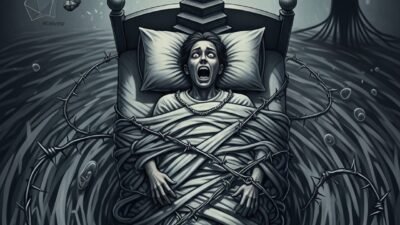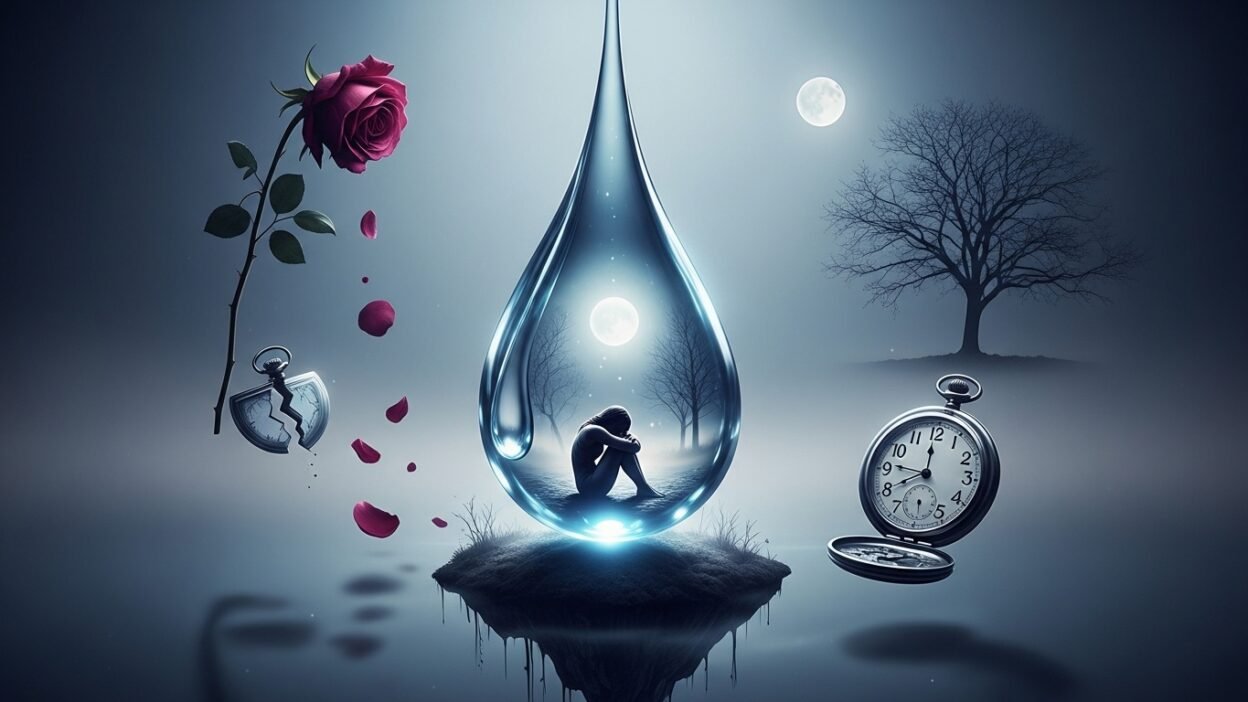
Dreaming of sadness—crying, feeling heavy, or experiencing loss—can stay with you long after you wake up. While these dreams may feel uncomfortable, they are often deeply meaningful. They reflect your mind’s way of processing emotions, releasing pain, and seeking healing.
Sadness in dreams is not just negativity—it’s a sign that something within you is asking to be acknowledged and understood.
Overview: What Sadness in Dreams Represents
At a deeper level, sadness dreams are connected to:
- Unprocessed emotions or hidden grief
- Feelings of loss, disappointment, or loneliness
- A need for emotional release and healing
- Growing self-awareness and sensitivity
These dreams often appear when your heart is trying to work through something important.
Spiritual Meaning of Sadness in Dreams
Emotional Cleansing
Spiritually, sadness represents release and purification. Crying or feeling sorrow in a dream can mean you are letting go of emotional burdens.
Inner Healing
These dreams often signal that deep healing is taking place—even if it doesn’t feel that way.
Connection to Your True Feelings
Sadness can reveal emotions you may be avoiding in waking life, guiding you toward honesty and self-acceptance.
Psychological Interpretation
Processing Grief and Stress
From a psychological perspective, sadness in dreams helps your brain process difficult experiences, such as loss or disappointment.
Suppressed Emotions
If you avoid expressing sadness during the day, your mind may bring it out in dreams.
Emotional Overload
These dreams can occur when you are feeling overwhelmed or mentally exhausted.
Common Sadness Dream Scenarios
Crying in a Dream
Often a sign of emotional release. It may actually be healing rather than negative.
Feeling Lonely or Abandoned
This can reflect real-life isolation or a need for connection.
Losing Someone or Something
May symbolize fear of loss, change, or letting go of the past.
Watching Something Sad
Indicates empathy and deep emotional awareness.
Deeper Meaning: Sadness as a Message
Sadness in dreams can reveal:
- What is hurting you emotionally
- What you need to let go of
- Where you need support or healing
- A call to reconnect with your inner self
Causes and Triggers
Sadness dreams may be triggered by:
- Stress or anxiety
- Past trauma or unresolved grief
- Relationship challenges
- Major life changes
- Feeling emotionally disconnected
Scientific Explanation
During REM sleep, your brain processes emotions and memories. Sad dreams help with emotional regulation, allowing your mind to release and organize difficult feelings.
What You Can Learn from These Dreams
- Allow yourself to feel and process emotions
- Recognize areas in your life that need healing
- Seek connection and support when needed
- Understand that sadness is part of emotional balance
Reflection & Healing Tips
Journaling
Write about your dream and how it made you feel. Look for connections to your waking life.
Mindfulness
Sit with your emotions without judgment. This helps reduce emotional resistance.
Emotional Expression
Talk to someone you trust or express feelings through writing or art.
Self-Compassion
Be gentle with yourself—healing takes time.
FAQ
Is dreaming about sadness a bad sign?
No. It often represents healing, release, and emotional processing.
Why do I cry in my dreams?
It’s a way for your mind to release suppressed emotions.
Can sadness dreams relate to depression?
They can reflect emotional struggles, but they don’t necessarily mean depression.
Why do I feel sad after waking up?
The emotional impact of the dream can carry into waking life.
Are sadness dreams spiritual?
Yes. They can represent cleansing, healing, and inner growth.
Why do these dreams repeat?
Recurring dreams suggest unresolved emotions that need attention.
Final Thought
Sadness in dreams may feel heavy, but it carries a gentle purpose. It invites you to slow down, feel deeply, and heal what’s been hidden. When you listen to these emotions instead of pushing them away, you move closer to peace, clarity, and emotional balance.