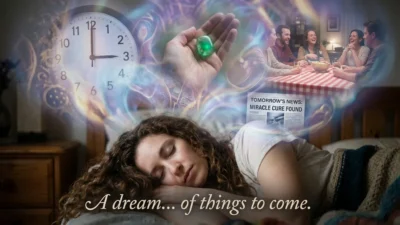
Have you ever dreamed that you woke up, got out of bed, brushed your teeth, or started your daily routine, only to suddenly wake up for real and realize you had still been dreaming? This fascinating experience is known as a false awakening. It can feel incredibly realistic, often making it difficult to distinguish between the dream and reality. Some people even experience multiple false awakenings in a row, creating the sensation of being trapped in a loop.
False awakenings are a well-documented sleep phenomenon that often occurs during REM (Rapid Eye Movement) sleep, the stage of sleep when most vivid dreaming happens. While these dreams may seem mysterious or even supernatural, they are generally understood as a natural part of the dreaming process.
Spiritually, a false awakening often symbolizes self-awareness, hidden truths, personal transformation, or the need to examine your current path in life. Rather than predicting future events, it usually reflects your inner thoughts, emotions, and desire for clarity.
From a Christian perspective, dreams should always be interpreted with discernment and biblical wisdom. The Bible records occasions when God communicated through dreams, but it does not teach that false awakenings are supernatural signs or spiritual attacks. Christians are encouraged to test all experiences against Scripture, seek God’s wisdom through prayer, and avoid building beliefs solely on dream experiences.
This comprehensive guide explores false awakenings, including their spiritual meaning, biblical insights, psychological explanations, common experiences, and practical ways to understand them.
What Is a False Awakening?
A false awakening is a dream in which you believe you have awakened from sleep, but you are actually still dreaming.
During a false awakening, you may dream that you:
- Wake up in your bedroom
- Get out of bed
- Check the time
- Brush your teeth
- Get dressed
- Go to work or school
- Talk to family members
- Begin your normal daily routine
Only later do you wake up and realize that everything happened within the dream.
Why Do False Awakenings Happen?
False awakenings occur during REM sleep when the brain creates an extremely realistic dream that closely resembles your waking environment.
They are more likely to occur during periods of:
- Stress
- Anxiety
- Sleep deprivation
- Irregular sleep schedules
- Lucid dreaming practice
- Frequent dreaming
They are considered a normal sleep phenomenon rather than evidence of supernatural activity.
Spiritual Meaning of a False Awakening
Spiritually, a false awakening often symbolizes the need for greater awareness, wisdom, or personal growth.
Your dream may suggest:
- You are overlooking an important truth.
- A new perspective is needed.
- Personal transformation is taking place.
- You are questioning reality or your life direction.
- Emotional growth is occurring.
Rather than predicting future events, the dream usually invites reflection and self-examination.
Common Spiritual Interpretations of False Awakenings
A Symbol of Self-Awareness
One of the most common meanings is increased awareness.
The dream may encourage you to:
- Examine your choices.
- Reflect on your priorities.
- Develop greater wisdom.
- Live more intentionally.
- Become more mindful.
Hidden Truths
A false awakening may symbolize:
- Overlooked opportunities
- Emotional blind spots
- Unrecognized fears
- Personal denial
- Need for honesty
The dream encourages looking beneath the surface of your current circumstances.
Personal Transformation
False awakenings often occur during periods of:
- Career changes
- Spiritual growth
- Relationship changes
- Personal healing
- Identity development
The dream reflects the transition from one stage of life to another.
Breaking Old Patterns
Spiritually, the dream may represent:
- Escaping unhealthy habits
- Letting go of limiting beliefs
- Beginning a new chapter
- Developing healthier thinking
Biblical Meaning of False Awakenings
The Bible does not specifically mention false awakenings or dreams about waking up within a dream.
However, several biblical principles provide guidance:
- James encourages believers to ask God for wisdom.
- Romans teaches the importance of renewing the mind.
- Philippians encourages believers to focus on what is true, honorable, and excellent.
- 1 John teaches Christians to test spiritual influences carefully.
From a Christian perspective, a false awakening may encourage believers to:
- Seek spiritual wisdom.
- Examine their priorities.
- Pray for discernment.
- Remain grounded in Scripture.
- Avoid fear or superstition.
Dreams should complement, not replace, biblical teaching and wise counsel.
Psychological Explanation of False Awakenings
Psychologists believe false awakenings occur because the brain simulates waking while the dream continues.
Common contributing factors include:
- REM sleep transitions
- Stress
- Anxiety
- Frequent dreaming
- Lucid dreaming
- Sleep disruption
The brain creates a highly realistic version of your bedroom and morning routine, making the experience feel almost identical to waking life.
Relationship Between False Awakenings and Lucid Dreaming
False awakenings often occur alongside lucid dreams, where the dreamer becomes aware they are dreaming.
Some people realize they are still dreaming after noticing unusual details, such as:
- A clock displaying impossible times
- Lights behaving strangely
- Objects changing shape
- People acting unusually
Recognizing these inconsistencies can sometimes trigger lucidity.
Common False Awakening Experiences
Waking Up Multiple Times
Some people experience several false awakenings before actually waking.
This may create the sensation of being trapped in a dream loop.
Seeing Your Bedroom Exactly as It Is
Many false awakenings begin in a bedroom that looks almost identical to reality.
Small differences often become noticeable only after closer observation.
Strange Events After “Waking”
Examples include:
- Lights not working
- Mirrors appearing unusual
- Electronic devices malfunctioning
- Unexpected visitors
- Unusual sounds
These dream inconsistencies often reveal that you are still asleep.
Sleep Paralysis After a False Awakening
Some people experience sleep paralysis immediately after a false awakening.
Although frightening, this is a recognized overlap between REM sleep and wakefulness rather than evidence of paranormal activity.
Are False Awakenings Dangerous?
No.
False awakenings are generally harmless and are considered a normal part of dreaming.
However, frequent episodes accompanied by severe sleep disruption, excessive daytime sleepiness, or intense anxiety should be discussed with a healthcare professional.
How to Reduce False Awakenings
Helpful habits include:
- Maintain a consistent sleep schedule.
- Get enough sleep each night.
- Reduce stress.
- Practice relaxation before bedtime.
- Limit caffeine late in the day.
- Improve overall sleep hygiene.
These steps may reduce episodes, although they cannot always prevent them completely.
Frequently Asked Questions
What is a false awakening?
A false awakening is a dream in which you believe you have woken up and begun your day, only to later realize you were still dreaming.
What is the spiritual meaning of a false awakening?
Spiritually, a false awakening often symbolizes self-awareness, personal transformation, hidden truths, or the need to examine your current life direction. It is generally viewed as symbolic rather than predictive.
Does the Bible mention false awakenings?
No. The Bible does not specifically discuss false awakenings. It encourages believers to seek wisdom, pray for discernment, and evaluate experiences in light of Scripture.
Are false awakenings related to lucid dreaming?
Yes. False awakenings often occur before or after lucid dreams. Recognizing that you are still dreaming can sometimes lead to a lucid dreaming experience.
Can stress cause false awakenings?
Yes. Stress, anxiety, sleep deprivation, irregular sleep schedules, and frequent dreaming are all associated with a higher likelihood of false awakenings.
Final Thoughts
False awakenings are a fascinating dream experience in which you believe you have awakened while you are still dreaming. Although they can feel incredibly realistic and sometimes unsettling, they are generally understood as a normal part of REM sleep rather than evidence of supernatural events.
From a spiritual perspective, false awakenings may symbolize self-awareness, personal growth, hidden truths, or important life transitions. From a Christian perspective, they encourage believers to seek God’s wisdom, remain grounded in Scripture, and avoid interpreting every unusual dream as a supernatural sign. From a psychological perspective, they reflect the brain’s remarkable ability to simulate waking life during dreaming.
Ultimately, understanding a false awakening requires considering your emotions, the dream’s details, and your current life circumstances. Viewed thoughtfully, these dreams can offer meaningful insights into your personal growth while reminding you to balance spiritual reflection with sound medical and psychological understanding.