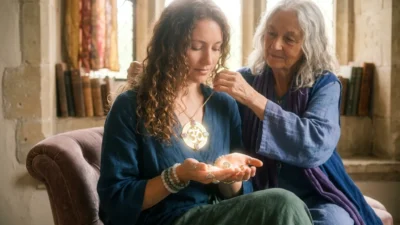
Have you ever had a dream that seemed to match someone else’s dream? Perhaps you and a friend dreamed about the same place, the same event, or even each other on the same night. These fascinating experiences are often called shared dreams or mutual dreams, and they have intrigued people for centuries.
Many cultures and spiritual traditions view shared dreams as signs of a deep emotional or spiritual connection. Others believe they are simply remarkable coincidences influenced by shared experiences, memories, or conversations. While stories of shared dreams are common, there is currently no scientific evidence proving that two people literally enter the same dream. Most researchers believe that similar dreams can arise because people share relationships, environments, emotions, or concerns.
From a Christian perspective, dreams should always be interpreted with discernment and biblical wisdom. The Bible records occasions when God communicated through dreams, but it does not teach that people routinely share dreams with one another. Christians are encouraged to evaluate all dream experiences according to Scripture and avoid building beliefs on speculation or superstition.
This comprehensive guide explores shared dreams, including their spiritual meaning, biblical insights, psychological explanations, common scenarios, and how to interpret them wisely.
What Are Shared Dreams?
Shared dreams refer to experiences in which:
- Two or more people report very similar dreams.
- People dream about each other on the same night.
- The dreams contain similar locations, conversations, or events.
- The dreamers believe they experienced the same dream together.
Although these experiences can feel extraordinary, they are difficult to verify scientifically.
Can Two People Really Share the Same Dream?
This question remains unanswered.
Current scientific research has not demonstrated that two people literally share one dream in the same sleeping state. However, similar dreams can occur because people may:
- Spend a great deal of time together.
- Experience the same stressful event.
- Share similar memories.
- Discuss the same topics before sleeping.
- Have comparable emotional concerns.
These factors can naturally influence dream content.
Spiritual Meaning of Shared Dreams
Spiritually, shared dreams often symbolize connection, relationships, emotional bonds, and personal reflection.
Your experience may represent:
- A close emotional relationship.
- Shared life experiences.
- Mutual concerns.
- Spiritual encouragement.
- A reminder to strengthen communication.
Rather than proving supernatural dream-sharing, the experience often highlights the importance of a meaningful relationship.
Common Spiritual Interpretations of Shared Dreams
A Symbol of Emotional Connection
One of the most common interpretations is deep emotional closeness.
The shared dream may reflect:
- Friendship
- Family bonds
- Romantic relationships
- Mutual trust
- Shared experiences
Shared Life Circumstances
People living similar lives often dream about similar themes.
Examples include:
- Students dreaming about exams.
- Coworkers dreaming about work.
- Family members dreaming about home.
- Couples dreaming about each other.
The dream may simply mirror shared daily experiences.
Personal Reflection
Sometimes dreaming about another person encourages self-examination.
The dream may ask:
- What does this relationship mean to me?
- Is there something unresolved?
- What can I learn from this connection?
Emotional Support
Shared dreams may also symbolize:
- Encouragement
- Compassion
- Healing
- Mutual understanding
They often remind us of the importance of healthy relationships.
Biblical Meaning of Shared Dreams
The Bible records many dreams given to individuals, but it does not teach that people normally experience the same dream together.
Several biblical principles provide guidance:
- Genesis records dreams that revealed God’s purposes, but each dream was given to a specific individual.
- Daniel shows that God alone gives true understanding of dreams.
- James encourages believers to ask God for wisdom.
- 1 John teaches Christians to test spiritual influences carefully.
From a Christian perspective, shared dreams may encourage believers to:
- Pray for wisdom.
- Strengthen relationships.
- Seek God’s guidance rather than relying on speculation.
- Avoid assuming that every unusual dream has a supernatural origin.
- Remain grounded in Scripture.
Dreams should never become the primary basis for doctrine or major life decisions.
Psychological Explanation of Shared Dreams
Psychologists explain similar dreams through several well-understood factors.
These include:
- Shared experiences
- Emotional closeness
- Similar daily routines
- Common memories
- Similar worries
- Parallel life events
The brain naturally creates dreams using memories and emotions, so people with similar experiences may produce surprisingly similar dream content.
Common Shared Dream Scenarios
Dreaming About Each Other
Friends, partners, or family members sometimes dream about one another on the same night.
This often reflects:
- Emotional closeness
- Recent conversations
- Mutual concern
- Strong personal connections
Dreaming of the Same Place
Two people may dream about:
- Childhood homes
- Schools
- Churches
- Workplaces
- Vacation destinations
Shared memories often explain these similarities.
Dreaming About the Same Event
People experiencing major life changes together may dream about:
- Weddings
- Births
- Graduations
- Family gatherings
- Career changes
Their shared experiences influence dream content.
Nearly Identical Dreams
Occasionally, people describe dreams with remarkably similar details.
While fascinating, these experiences remain difficult to verify scientifically and should be interpreted with caution.
Are Shared Dreams a Spiritual Sign?
Sometimes they may encourage reflection on a relationship or shared experience, but they should not automatically be viewed as supernatural communication.
A shared dream is more likely to represent:
- Emotional closeness
- Shared concerns
- Similar experiences
- Personal reflection
Rather than predicting future events.
How to Interpret a Shared Dream
Ask yourself:
- Who appeared in the dream?
- What emotions did I experience?
- Have we recently shared important experiences?
- Does the dream reflect our current relationship?
- What positive lesson can I learn?
These questions often provide more reliable insights than focusing solely on unusual similarities.
Should You Be Concerned About Shared Dreams?
In most cases, no.
Shared dreams are generally harmless and may simply reflect:
- Strong relationships
- Similar daily experiences
- Shared memories
- Emotional connections
If dreams become distressing, repetitive, or interfere with daily life, discussing them with a qualified mental health professional may be helpful.
Frequently Asked Questions
What are shared dreams?
Shared dreams are experiences in which two or more people report having very similar dreams or dreaming about one another during the same night.
Can two people actually share the same dream?
There is currently no scientific evidence proving that two people literally experience the same dream together. Similar dreams are often explained by shared experiences, emotions, or relationships.
What is the spiritual meaning of shared dreams?
Spiritually, shared dreams often symbolize emotional connection, personal reflection, close relationships, mutual support, or shared life experiences rather than literal dream-sharing.
What does the Bible say about shared dreams?
The Bible records dreams given to individuals but does not teach that people routinely share dreams. Christians are encouraged to seek God’s wisdom and evaluate dreams according to Scripture.
Why do couples sometimes have similar dreams?
Couples often share routines, conversations, emotions, and experiences. These common influences can naturally shape similar dream themes without requiring a supernatural explanation.
Final Thoughts
Shared dreams are among the most intriguing dream experiences because they seem to connect two or more people through similar dream content. Although they can feel extraordinary, there is no reliable scientific evidence that people literally enter the same dream together. In many cases, shared dreams are better explained by close relationships, shared memories, similar emotions, and common life experiences.
From a spiritual perspective, shared dreams may symbolize emotional bonds, personal growth, or the importance of meaningful relationships. From a Christian perspective, believers are encouraged to seek God’s wisdom, remain grounded in Scripture, and avoid drawing supernatural conclusions without clear biblical support. From a psychological perspective, shared dreams highlight the remarkable way the human mind processes relationships, memories, and emotions during sleep.
Ultimately, the meaning of a shared dream is deeply personal. By reflecting on the dream’s details, your relationship with the other person, and your current life circumstances, you can gain valuable insights that encourage wisdom, stronger relationships, emotional healing, and spiritual maturity.