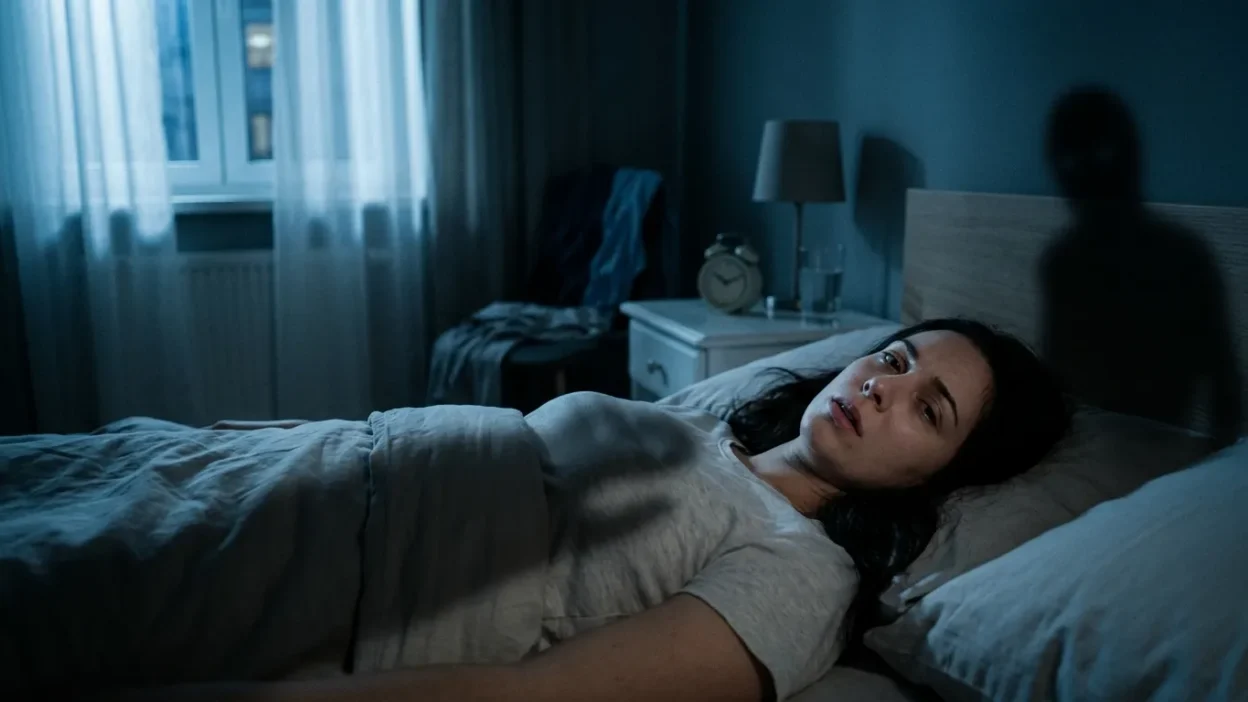
Have you ever woken up and realized you couldn’t move your body, even though you were fully aware of your surroundings? Perhaps you felt pressure on your chest, sensed someone standing in the room, heard strange sounds, or believed a shadowy figure was nearby. This frightening experience is known as sleep paralysis, and while it can feel deeply supernatural, medical research shows that it is a relatively common sleep phenomenon.
Sleep paralysis has fascinated people for centuries. Different cultures have interpreted it as a spiritual attack, ghostly encounter, or demonic presence. Today, scientists understand that it usually occurs when the brain wakes up before the body regains normal muscle control. At the same time, many people continue to explore its spiritual significance, seeing it as a symbolic experience rather than a literal encounter with spirits.
From a Christian perspective, sleep paralysis should be approached with wisdom, discernment, and faith. The Bible acknowledges the reality of spiritual warfare but does not identify sleep paralysis as evidence of demonic activity. Therefore, it is important to avoid jumping to conclusions and to consider both medical and spiritual perspectives.
This comprehensive guide explains what sleep paralysis is, why it happens, its spiritual meaning, biblical insights, symptoms, causes, treatment options, and practical ways to reduce future episodes.
What Is Sleep Paralysis?
Sleep paralysis is a temporary inability to move or speak while falling asleep or waking up.
During an episode, you may be:
- Fully awake
- Unable to move your body
- Unable to speak
- Aware of your surroundings
- Able to breathe, although breathing may feel difficult
- Experiencing vivid dream-like hallucinations
Most episodes last from a few seconds to a few minutes before ending on their own.
Common Symptoms of Sleep Paralysis
People experience sleep paralysis differently, but common symptoms include:
- Inability to move
- Difficulty speaking
- Feeling awake but trapped
- Pressure on the chest
- Feeling that someone is in the room
- Seeing shadowy figures
- Hearing footsteps, voices, or whispers
- Feeling touched
- Fear or panic
- Rapid heartbeat
Although these experiences can feel terrifying, they are usually harmless and temporary.
What Causes Sleep Paralysis?
Sleep paralysis occurs when the brain becomes conscious before the body fully exits REM (Rapid Eye Movement) sleep.
During REM sleep:
- The brain is highly active.
- Most dreaming occurs.
- The body naturally becomes temporarily paralyzed (called REM atonia) to prevent you from acting out dreams.
Sleep paralysis happens when this normal muscle paralysis briefly continues after you become aware.
Risk Factors for Sleep Paralysis
Several factors may increase the likelihood of experiencing sleep paralysis:
Sleep Deprivation
Not getting enough sleep is one of the most common triggers.
Irregular Sleep Schedule
Frequently changing sleep times can disrupt normal sleep cycles.
Stress and Anxiety
High stress levels may increase the frequency of episodes.
Sleeping on Your Back
Many people report more episodes when sleeping flat on their backs.
Certain Sleep Disorders
Sleep paralysis is sometimes associated with:
- Narcolepsy
- Insomnia
- Obstructive sleep apnea
Mental Health Conditions
Some individuals with anxiety disorders, panic disorders, or post-traumatic stress may experience sleep paralysis more often, although many healthy people experience it as well.
Spiritual Meaning of Sleep Paralysis
Spiritually, sleep paralysis is interpreted differently across cultures and belief systems.
Some symbolic interpretations include:
- Feeling spiritually stuck
- Emotional burdens
- Fear that has not been addressed
- Personal transformation
- Inner conflict
- Spiritual reflection
- Need for emotional healing
These interpretations are symbolic rather than scientifically established.
Biblical Perspective on Sleep Paralysis
The Bible does not specifically describe sleep paralysis.
However, several biblical principles provide guidance:
- Psalm emphasizes God’s protection during sleep.
- Isaiah encourages believers not to fear because God is with them.
- 2 Timothy teaches that God gives a spirit of power, love, and self-control—not fear.
- Philippians encourages believers to focus on what is true, honorable, and praiseworthy.
From a Christian perspective:
- Sleep paralysis alone should not automatically be interpreted as demonic activity.
- Prayer can bring comfort and peace during fearful experiences.
- Believers are encouraged to trust God rather than fear unusual sleep experiences.
- Persistent anxiety or sleep disturbances should also be discussed with a healthcare professional.
Psychological Explanation of Sleep Paralysis
Psychologists explain sleep paralysis as the overlap between:
- Wakefulness
- REM sleep
- Dream imagery
Because parts of the brain responsible for dreaming remain active, vivid hallucinations may occur even though you are awake.
Common hallucinations include:
- Shadow figures
- Strange sounds
- Feeling someone is nearby
- Floating sensations
- Out-of-body experiences
These experiences feel real because the dreaming brain remains partially active.
Common Hallucinations During Sleep Paralysis
Seeing Shadow Figures
This is one of the most frequently reported experiences.
It usually results from dream imagery continuing into wakefulness.
Feeling Pressure on the Chest
Many people describe:
- Difficulty breathing
- Weight on the chest
- Feeling trapped
This occurs because breathing patterns remain similar to REM sleep while you are becoming conscious.
Hearing Voices
Some people hear:
- Whispering
- Footsteps
- Knocking
- Music
- Their name being called
These sounds are considered dream-related auditory hallucinations.
Feeling Someone Touching You
You may feel:
- A hand on your shoulder
- Someone sitting beside you
- Pulling sensations
These are also common hallucinations during REM-related sleep paralysis.
How to Stop Sleep Paralysis
Although no method guarantees prevention, these habits may reduce episodes.
Maintain a Regular Sleep Schedule
Aim for 7–9 hours of sleep each night and go to bed and wake up at consistent times.
Reduce Stress
Helpful practices include:
- Prayer
- Meditation
- Deep breathing
- Journaling
- Gentle exercise
Avoid Sleep Deprivation
Getting enough quality sleep is one of the most effective preventive measures.
Sleep on Your Side
Some people experience fewer episodes when avoiding sleeping flat on their backs.
Improve Sleep Hygiene
Good habits include:
- Limiting caffeine late in the day
- Avoiding screens before bedtime
- Keeping your bedroom cool, dark, and quiet
Seek Medical Advice if Needed
Consult a healthcare professional if sleep paralysis:
- Happens frequently
- Causes significant anxiety
- Leads to excessive daytime sleepiness
- Occurs with symptoms such as suddenly falling asleep during the day, which could suggest another sleep disorder
Is Sleep Paralysis Dangerous?
In most cases, sleep paralysis is not dangerous.
Although frightening, it usually:
- Ends within minutes
- Causes no physical harm
- Does not indicate a serious illness by itself
However, frequent or severe episodes deserve medical evaluation.
Can Sleep Paralysis Be Prevented?
Many people reduce episodes by:
- Sleeping regularly
- Managing stress
- Treating underlying sleep disorders
- Improving bedtime habits
- Maintaining overall physical and mental health
Frequently Asked Questions
What is sleep paralysis?
Sleep paralysis is a temporary inability to move or speak while falling asleep or waking up. It occurs when the brain becomes conscious before the body’s normal REM sleep paralysis has ended.
Is sleep paralysis a sign of something supernatural?
There is no scientific evidence that sleep paralysis itself is a supernatural event. Many spiritual traditions attach symbolic meanings to it, but medically it is understood as a sleep phenomenon.
What does the Bible say about sleep paralysis?
The Bible does not specifically mention sleep paralysis. It encourages believers to trust God, avoid fear, pray for peace, and seek wisdom in understanding difficult experiences.
Why do people see shadow figures during sleep paralysis?
Shadow figures are believed to result from dream imagery continuing while the brain becomes awake. They are a well-documented type of REM-related hallucination.
How can I reduce sleep paralysis?
Maintaining a regular sleep schedule, managing stress, improving sleep hygiene, and addressing any underlying sleep disorders can help reduce episodes. If episodes are frequent or severe, consult a healthcare professional.
Final Thoughts
Sleep paralysis is a common sleep phenomenon that can feel extremely real and frightening. While it often includes vivid hallucinations, temporary paralysis, or a sense of someone being present, current scientific understanding explains these experiences as the overlap between REM sleep and wakefulness rather than proof of paranormal activity.
From a Christian perspective, sleep paralysis should be approached with faith, wisdom, and discernment. Prayer, trust in God, and biblical truth can provide comfort, while medical evaluation is appropriate if episodes become frequent or disruptive. From a psychological perspective, sleep paralysis reflects the brain’s transition between dreaming and wakefulness and is often linked to stress, sleep deprivation, or irregular sleep patterns.
Ultimately, understanding both the medical and spiritual perspectives can help reduce fear, encourage healthy sleep habits, and provide reassurance that, for most people, sleep paralysis is temporary, manageable, and not a sign of supernatural danger.