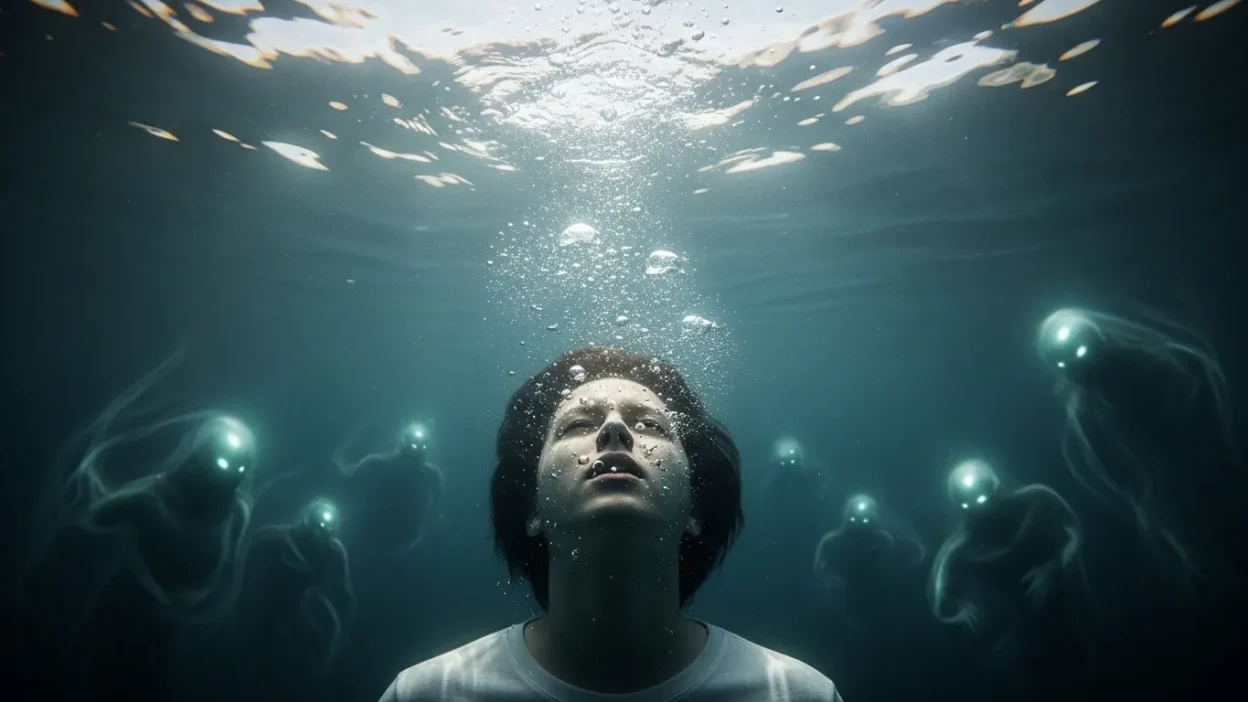
Few dreams are as intense and emotionally overwhelming as a dream about drowning. You may wake up gasping for air, sweating, or carrying a heavy emotional feeling long after the dream ends. For many people, these dreams are deeply unsettling because they tap into one of humanity’s oldest fears: losing control.
But drowning dreams are rarely just about water.
In dream symbolism, water often represents the emotional world — hidden feelings, stress, memories, fears, intuition, and the unconscious mind. When you dream of drowning, your subconscious may be signaling emotional overload, inner conflict, unresolved trauma, or spiritual transformation.
Sometimes the dream reflects anxiety or pressure in waking life. Other times, it points toward a deeper emotional awakening or a need to confront parts of yourself you have ignored for too long.
Understanding the meaning behind drowning dreams can help you uncover emotional truths, regain inner balance, and reconnect with your deeper self.
What Does a Drowning Dream Mean?
At its core, a drowning dream often symbolizes feeling emotionally overwhelmed.
You may feel trapped by responsibilities, relationships, stress, or unresolved emotions. The sensation of sinking or struggling for air can mirror how your mind processes emotional exhaustion in waking life.
Common emotional themes connected to drowning dreams include:
- Loss of control
- Anxiety and emotional pressure
- Fear of failure
- Suppressed emotions
- Emotional burnout
- Major life transitions
- Spiritual transformation
Water in dreams represents the unconscious mind. Calm water may symbolize emotional peace, while stormy or deep water often reflects emotional chaos or uncertainty.
When drowning appears in a dream, your subconscious may be telling you that something emotionally important can no longer be ignored.
The Spiritual Symbolism of Drowning
From a spiritual perspective, drowning dreams often symbolize surrender, transformation, and emotional purification.
In many spiritual traditions, water is connected to rebirth, healing, intuition, and spiritual awakening. Drowning may symbolize the “death” of an old identity, ego, or emotional pattern that no longer serves you.
Hidden Self and Suppressed Emotions
A drowning dream may reveal emotions buried deep within the subconscious:
- Grief
- Fear
- Shame
- Anger
- Loneliness
- Emotional dependency
These hidden emotions can rise to the surface through dreams when they have been ignored for too long.
Spiritually, drowning may represent being consumed by emotions instead of understanding them.
Ego vs Higher Self
Many spiritual interpretations view drowning as a struggle between the ego and the higher self.
The ego seeks control, certainty, and safety. The higher self pushes toward growth, healing, and truth.
In drowning dreams, the panic often represents resistance to emotional change. The dream may be encouraging you to release unhealthy attachments, outdated beliefs, or emotional defenses.
Sometimes, “letting go” in the dream symbolizes spiritual surrender rather than failure.
Why Fear Intensifies Drowning Dreams
Fear amplifies emotional dream symbolism.
When you panic in a drowning dream, your brain experiences heightened emotional activation. This makes the dream feel more vivid, urgent, and physically real.
The fear may symbolize:
- Avoidance of emotional truth
- Fear of vulnerability
- Fear of losing control
- Fear of change
- Fear of emotional intimacy
The stronger the fear in the dream, the more emotionally significant the underlying issue may be.
Freudian Interpretation of Drowning Dreams
According to Sigmund Freud, dreams reveal hidden desires, fears, and repressed emotions.
Freud often connected water symbolism to the unconscious emotional world and unresolved psychological tension.
In Freudian dream analysis, drowning may symbolize:
- Repressed emotional pain
- Anxiety related to relationships
- Sexual or emotional frustration
- Childhood fears or dependency issues
- Feelings of helplessness
Freud believed that emotionally intense dreams emerge when the mind struggles to suppress difficult feelings during waking life.
A drowning dream, therefore, may represent emotional conflict that the conscious mind is trying to avoid.
Jungian Interpretation of Drowning Dreams
Carl Jung viewed dreams as messages from the unconscious mind designed to guide personal growth and self-awareness.
In Jungian psychology, water symbolizes the deep unconscious. Drowning represents immersion into hidden emotions, fears, or aspects of the self that have not yet been integrated.
The Shadow Self
Jung introduced the idea of the shadow — the hidden parts of ourselves we reject or suppress.
A drowning dream may indicate:
- Ignored emotional wounds
- Hidden fears
- Unexpressed anger
- Denied personal truths
- Emotional vulnerability
Rather than seeing drowning as purely negative, Jung would interpret it as an invitation to confront the unconscious and grow psychologically.
The dream may be encouraging emotional honesty and deeper self-understanding.
Energy and Spiritual Awakening Interpretations
In energy-based spiritual systems, drowning dreams are often linked to blocked emotional energy.
Emotional Energy Overload
When emotions remain unresolved, they can accumulate internally. Dreams may express this emotional buildup symbolically through floods, storms, or drowning.
This often happens during:
- Burnout
- Emotional repression
- Toxic relationships
- Life transitions
- Grief
- Spiritual awakening
Chakra Imbalances
Some spiritual traditions connect drowning dreams to imbalances in emotional energy centers.
Sacral Chakra Imbalance
The sacral chakra governs emotions, intimacy, creativity, and emotional flow.
When blocked, you may experience:
- Emotional numbness
- Fear of vulnerability
- Relationship stress
- Emotional overwhelm
Throat Chakra Suppression
If emotions are not expressed openly, drowning dreams may symbolize feeling emotionally “silenced” or unable to breathe freely.
Spiritual Awakening
Sometimes drowning dreams appear during periods of awakening or personal transformation.
This may feel emotionally chaotic at first because old emotional patterns are dissolving. The dream reflects the uncomfortable but necessary process of inner change.
Personal Growth Lessons Hidden in Drowning Dreams
Although frightening, drowning dreams can carry important emotional lessons.
They may encourage you to:
- Slow down emotionally
- Acknowledge buried feelings
- Ask for support
- Release emotional control
- Heal unresolved trauma
- Create healthier boundaries
- Trust your intuition
Many people discover that recurring drowning dreams lessen once they begin addressing emotional stress in waking life.
Common Drowning Dream Scenarios and Their Meanings
Dreaming of Struggling to Stay Above Water
This often reflects emotional exhaustion or feeling overwhelmed by daily responsibilities.
You may feel like you are “barely coping” emotionally.
Dreaming of Slowly Drowning
A gradual drowning dream usually symbolizes emotional pressure building over time.
This may indicate:
- Chronic stress
- Long-term anxiety
- Emotional suppression
- Burnout
The slow realization in the dream mirrors emotional issues developing gradually in waking life.
Dreaming of Suddenly Drowning
Sudden drowning dreams often reflect shock, panic, or unexpected emotional upheaval.
These dreams may appear after:
- Sudden life changes
- Breakups
- Financial stress
- Emotional conflict
- Loss or grief
The sudden fear response suggests your nervous system feels emotionally threatened or destabilized.
Dreaming of Being Saved From Drowning
This can symbolize emotional support, healing, or hope.
The rescuer may represent:
- A trusted person
- Inner strength
- Spiritual guidance
- Emotional recovery
This dream often appears during periods of healing or emotional growth.
Dreaming of Watching Someone Else Drown
This may reflect concern for another person or emotional distance within a relationship.
In some cases, the drowning person symbolizes a part of yourself you feel disconnected from emotionally.
Dreaming of Surviving Drowning
Survival dreams are powerful symbols of resilience and transformation.
They may indicate:
- Emotional recovery
- Inner strength
- Personal rebirth
- Overcoming fear
This is often a positive sign of emotional growth.
Gradual Realization vs Sudden Fear in Drowning Dreams
The emotional pacing of the dream matters.
Gradual Realization
If the dream slowly becomes frightening, it often reflects emotional stress building quietly over time.
This type of dream may point to:
- Hidden anxiety
- Emotional avoidance
- Slow burnout
- Long-term dissatisfaction
The subconscious is warning you before emotional overwhelm becomes severe.
Sudden Fear Response
A sudden panic reaction often mirrors acute stress or emotional shock.
This may occur during:
- Major transitions
- Conflict
- Trauma
- Unexpected change
The nervous system interprets emotional instability as danger, which intensifies dream fear.
Causes and Triggers of Drowning Dreams
Drowning dreams are commonly triggered by emotional stress and psychological overload.
Stress and Anxiety
When life feels emotionally unmanageable, the subconscious may express that pressure through drowning imagery.
Common stressors include:
- Work pressure
- Financial concerns
- Relationship conflict
- Family responsibilities
Trauma and Emotional Pain
Past trauma can reappear symbolically in dreams.
Drowning dreams may emerge after:
- Emotional abuse
- Loss
- Neglect
- Sudden change
- PTSD-related stress
Major Life Changes
Transitions often trigger emotionally symbolic dreams.
Examples include:
- Divorce
- Career changes
- Moving
- Parenthood
- Identity shifts
Emotional Suppression
People who avoid expressing emotions may experience emotionally intense dreams because the subconscious seeks release.
The Neuroscience Behind Drowning Dreams
From a scientific perspective, drowning dreams are connected to how the brain processes emotions during sleep.
REM Sleep and Emotional Processing
Most vivid dreams occur during REM sleep (Rapid Eye Movement sleep).
During REM sleep:
- The brain processes emotions
- Emotional memories become active
- Stress responses are simulated
- The rational mind becomes less dominant
This allows emotionally symbolic dreams to emerge more intensely.
Threat Simulation Theory
Some neuroscientists believe dreams function as a “threat simulation system.”
The brain creates emotionally dangerous scenarios to help us rehearse survival responses.
A drowning dream may therefore represent:
- Emotional threat rehearsal
- Stress adaptation
- Fear processing
The dream does not predict real danger. Instead, it reflects emotional processing within the brain.
Reflection and Healing Tips After a Drowning Dream
Drowning dreams can become valuable opportunities for self-awareness and healing.
Journaling
Write down:
- The emotions you felt
- Who appeared in the dream
- The condition of the water
- Whether you survived or escaped
Patterns often emerge over time.
Mindfulness Practices
Mindfulness helps regulate emotional overwhelm.
Helpful practices include:
- Deep breathing
- Meditation
- Grounding exercises
- Body awareness
Shadow Work
Shadow work involves exploring hidden emotions and unconscious beliefs.
Ask yourself:
- What emotions am I avoiding?
- Where do I feel emotionally overwhelmed?
- What fear am I struggling to face?
Emotional Expression
Talking honestly with trusted people or a therapist can reduce emotional pressure that fuels recurring dreams.
Prioritize Rest and Stress Reduction
Poor sleep and chronic stress intensify vivid emotional dreaming.
Support healthy sleep by:
- Reducing screen time before bed
- Maintaining a calming nighttime routine
- Limiting overstimulation
- Practicing relaxation techniques
Frequently Asked Questions About Drowning Dreams
Is dreaming about drowning a bad sign?
Not necessarily. Drowning dreams usually symbolize emotional overwhelm, stress, or transformation rather than literal danger.
What does it mean if I survive drowning in a dream?
Surviving often symbolizes resilience, healing, emotional growth, and overcoming difficult challenges.
Why do drowning dreams feel so real?
These dreams activate strong emotional and survival centers in the brain during REM sleep, making them feel vivid and physically intense.
Can stress cause drowning dreams?
Yes. Anxiety, burnout, emotional pressure, and unresolved stress are among the most common triggers.
Are drowning dreams connected to trauma?
They can be. Emotional trauma or unresolved fear may appear symbolically through drowning imagery.
What does dirty or dark water mean in a drowning dream?
Dark or murky water often symbolizes confusion, fear, hidden emotions, or emotional uncertainty.
Is drowning in dreams related to spiritual awakening?
In some spiritual interpretations, yes. Drowning may symbolize emotional release, ego dissolution, or inner transformation during awakening.
Why do I keep having recurring drowning dreams?
Recurring dreams usually indicate unresolved emotional issues or stress patterns that the subconscious wants you to address.
Conclusion
Drowning dreams can feel terrifying, but they often carry meaningful emotional insight.
Rather than predicting danger, these dreams usually reflect inner emotional pressure, hidden fears, unresolved stress, or personal transformation. They invite you to slow down, pay attention to your emotional state, and reconnect with yourself honestly.
Whether viewed through psychology, spirituality, or neuroscience, drowning dreams reveal the powerful relationship between emotions and the subconscious mind.